


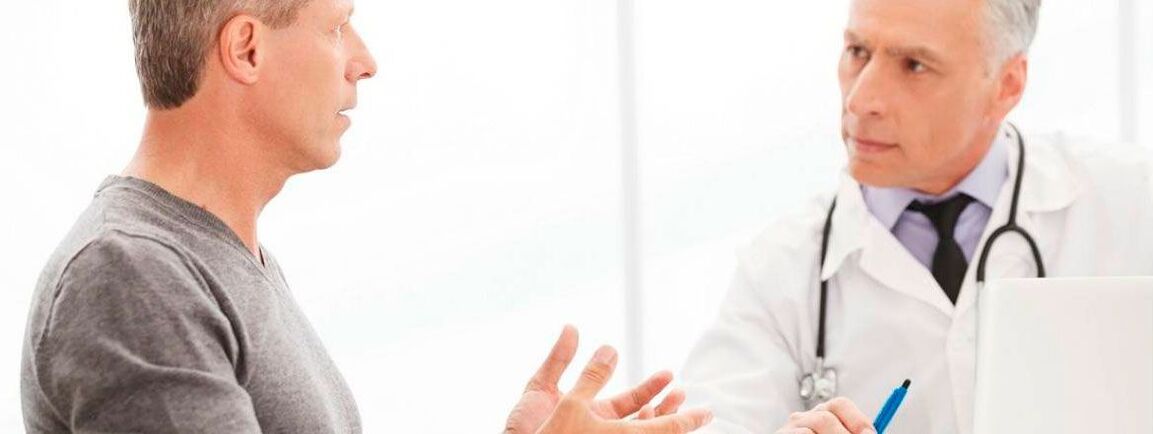
The prostate is one of the main organs of the male urogenital system.It produces the secretion that is part of the sperm and creates the conditions for the “vital activity” of the sperm.Inflammation and swelling of the prostate is considered the most common problem in men's health, especially in adulthood and old age.
Treatment methods for prostatitis are constantly improving and this problem has attracted the attention of the entire medical community in the world.Therapeutic tactics depend on the type of pathology, the cause of its occurrence, the individual characteristics of the patient's body and the degree of spread of the inflammatory process.
Particular difficulties are associated with the treatment of chronic prostatitis.Frequent relapses of the disease and low effectiveness of therapy are due to many pathological causes and a variety of symptoms.Inflammation of the prostate may not be accompanied by pain and other clinical signs of prostatitis, and in many cases the symptoms characteristic of prostatic inflammation are not associated with dysfunction of the gland at all.Pain in the perineum and lower abdomen as well as problems with urination can be caused by a urinary tract infection.
The treatment of prostatitis is a task that requires an integrated and sometimes interdisciplinary approach with the participation of a urologist-andrologist and other specialists.And if, with an acute course of the disease and timely consultation with a doctor, therapy lasts several weeks, then with chronic inflammation the patient must be patient in order to achieve not just temporary relief of symptoms, but complete recovery.
Basic principles of prostatitis treatment:
- Actuality.The sooner a patient sees a doctor, the higher his chances of a full recovery and the lower the risk of complications.
- Professionalism.Prostatitis is a disease with complex pathogenesis and therapy can only be carried out by a highly qualified doctor based on the data of a comprehensive examination.You cannot trust methods that have not been clinically tested and the advice of traditional healers.
- Complexity.Treatment should include multiple scientifically proven therapies to achieve maximum effect.
- Both partners should be treated as prostatitis is often caused by infectious agents.
- The patient must carry out the treatment responsibly and strictly follow all the recommendations of the attending physician.
Drug treatment of prostatitis
Drug therapy is the main method of treating prostatitis.Its complex includes drugs with different spectrums of action.The treatment regimen is determined individually in each individual case, taking into account the examination results and the type of disease.
The main components of the complex for the drug treatment of prostatitis:
- Antibacterial agents.In acute prostatitis, antibiotics are prescribed if culture results reveal the presence of pathogenic microflora.The choice of a particular drug depends on tests of the sensitivity of microorganisms to a particular active ingredient.
For prostatitis of bacterial origin, antibiotics are used that suppress the activity of pathogenic microorganisms.In non-infectious prostate inflammation, these groups of drugs are also prescribed to prevent or eliminate bacterial complications.The duration of antibacterial therapy can be several weeks.
You should only take antibiotics as directed by your doctor.Only he can determine the required dosage and duration of taking the drug.Attempts at self-medication lead to an imbalance in the microflora and the death of beneficial bacteria, as well as the development of resistance to antibacterial agents in pathogens.
- Anti-inflammatory therapy.It is carried out with the help of non-steroidal anti-inflammatory drugs in a short-term course of 5-7 days.These drugs can both stop the inflammatory process and reduce or completely eliminate the pain caused by prostatitis.
- Adrenergic blockers.Prescribed to relax the smooth muscles of the prostate and bladder neck and relieve pain during urination.
- Other directions.Other groups of drugs can also be used to restore urine flow, eliminate spasms and relieve pain.
If purulent exudate accumulates in the prostate, surgical treatment is indicated.
Auxiliary methods for the treatment of prostatitis
For effective treatment of prostatitis, it is important to eliminate congestion in the pelvic organs, restore blood circulation in them and improve microcirculation.For this we use:
- Acupuncture;
- magnetic laser therapy;
- shock wave therapy;
- prostate massage;
- Microenemas with decoctions of medicinal herbs or solutions of medicinal substances;
- rectal diathermy;
- Mud therapy (rectal tampons, mud panties).
These methods are especially important in chronic prostatitis, which has a recurrent course.Physiotherapeutic management in combination with medications helps both in the treatment of prostatitis and in eliminating the negative effects of the pathology on general health.In some cases, the help of a psychotherapist is also necessary if erectile dysfunction and other functional disorders or complications of a psychogenic nature are observed against the background of prostate inflammation.
Compliance with medical recommendations
The patient should actively participate in the treatment of prostatitis, which consists in following the following recommendations.
- Normalization of physical activity.This plays an important role in restoring blood circulation to the pelvic organs.Therefore, walking, swimming, regular gymnastics, yoga and other possible activities are recommended for men suffering from prostatitis.This helps improve treatment results and prevents one of the most common triggers of chronic prostatitis - insufficient blood supply to the prostate.
- Diet correction.You should limit the consumption of foods that contribute to the development of constipation and increase gas formation in the intestines.These are products made from white flour, sweets, legumes, raw cabbage, excess animal protein, etc. Although dietary changes have no real therapeutic value, they can significantly relieve the symptoms of prostatitis, which is caused by intestinal pressure on the prostate.It is also recommended to exclude spicy, sweet foods and pickled vegetables from the diet, as they can change the pH of urine and increase the manifestations of dysuria.
- Normalization of sex life.If you suffer from prostatitis, you cannot practice interrupted coitus, forced abstinence or delayed ejaculation.In the treatment of this disease, it is not the intimate contacts themselves that play an important role, but rather the ejaculation and the resulting increased blood flow to the prostate.The only condition under which sexual life should be interrupted is painful ejaculation or other unpleasant sensations during arousal.
When prescribing treatment, the doctor gives detailed recommendations relevant to each clinical case.You should not self-medicate: prostatitis is a disease that can lead to serious complications if not stopped in time.